Pay is one of the most powerful levers an organization has, and most companies are using it blindly. Without the right systems in place, compensation decisions are driven by gut instinct, outdated benchmarks, and spreadsheets held together by good intentions. The cost: top talent walks out the door, budgets spiral, and pay inequities go undetected until they become legal or reputational problems.
A Compensation Management System changes that equation. It gives HR and finance leaders a centralized platform to design, execute, and audit every pay decision, from base salary and merit increases to bonuses, incentives, and equity. The result is a compensation program that is defensible, competitive, and directly tied to business performance.
This guide covers what compensation management systems are, why they matter, and which tools are leading the market, so you can make the right call for your organization.
What is a Compensation Management System?
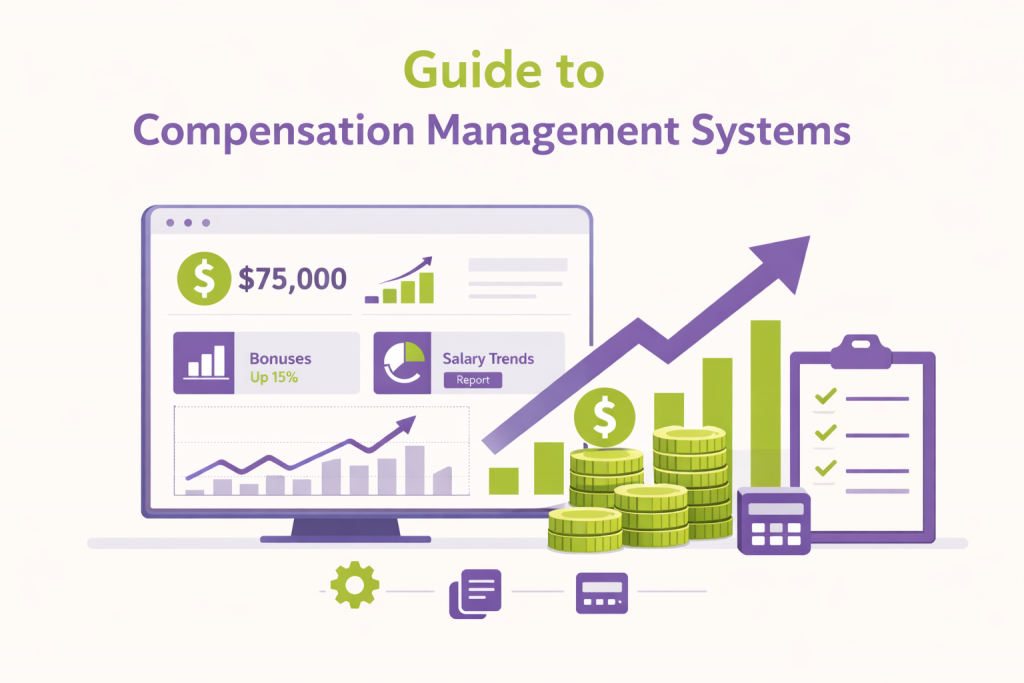
A Compensation Management System is a software platform designed to help organizations plan, manage, and analyze employee pay. It centralizes all components of compensation, including base salary, merit increases, bonuses, incentives, and equity, within a structured and controlled environment.
Unlike payroll software, which focuses on processing payments, tax calculations, and compliance reporting, a compensation management system supports strategic pay decisions before payroll runs. It helps HR and finance teams design compensation cycles, allocate budgets, model different pay scenarios, and ensure decisions align with company goals.
KNOW THE DIFFERENCE
Compensation Management
vs. Payroll Software
Two tools. Two different jobs. Understanding where each starts and stops is the key to a smarter pay strategy.
Strategic — Plans pay decisions before money moves.
Operational — Executes payments accurately and on time.
These systems replace manual spreadsheets and disconnected workflows with structured processes and built in controls. The result is greater consistency, improved transparency, and data driven insight into how organizations reward their employees.
Key Features to Look For in a Compensation Management System
Not all compensation management systems offer the same capabilities. When evaluating options, focus on features that support both strategic planning and operational efficiency.
Compensation Planning and Merit Cycles
The system should support structured salary review cycles, merit increases, bonus planning, and incentive programs. Look for configurable guidelines that align with your compensation philosophy.
Budget Tracking and Cost Modeling
Real time budget visibility is essential. A strong platform allows HR and finance teams to allocate budgets, monitor spend, and model different compensation scenarios before approvals.
Market Benchmarking
Access to reliable market data helps ensure pay competitiveness. Benchmarking tools allow you to compare roles against industry standards and reduce the risk of pay gaps.
Workflow Automation
Automated approval chains reduce administrative burden and improve consistency. Configurable workflows ensure the right stakeholders review and approve compensation decisions.
Analytics and Reporting
Comprehensive dashboards and reporting tools provide insight into pay distribution, equity, performance alignment, and overall compensation spend.
Integrations
Seamless integration with HRIS, payroll, and performance management systems ensures data accuracy and reduces manual data entry.
A system that combines these features enables organizations to manage compensation strategically while maintaining operational control.
Benefits of Using a Compensation Management System
A modern compensation management system does more than streamline processes. It strengthens decision making, improves fairness, and aligns pay with business outcomes.
Greater Efficiency
Automated workflows replace manual spreadsheets and fragmented approvals. HR and finance teams can run compensation cycles faster and with fewer errors.
Stronger Financial Control
Real time budget visibility and forecasting tools help organizations stay within planned spend while rewarding top performers appropriately.
Improved Pay Equity
Centralized data and benchmarking insights support fair and consistent pay decisions across teams, roles, and locations.
Better Alignment With Performance
Compensation can be directly tied to performance outcomes, business goals, and strategic priorities.
Enhanced Transparency
Clear approval trails and structured guidelines build trust among managers and employees.
When implemented well, a compensation management system turns compensation from an administrative task into a strategic advantage.
Also read: Components of Compensation: A Complete Breakdown for Employers
How to Choose the Right Compensation Management System
Not every organization needs the same level of functionality. The right system depends on your compensation philosophy, organizational complexity, and long term growth plans.
Define Your Compensation Strategy
Clarify what you want the system to support. Are you focused on pay equity, tighter budget control, performance alignment, or global scalability? Your priorities should guide your evaluation.
Assess Organizational Complexity
Consider workforce size, geographic spread, and pay structures. Enterprise organizations often require advanced modeling and compliance capabilities, while growing companies may prioritize flexibility and ease of use.
Evaluate Integrations
The system should integrate smoothly with your HRIS, payroll, and performance management tools. Clean data flow reduces manual work and improves accuracy.
Review Analytics and Reporting
Look for real time dashboards, scenario modeling, and benchmarking tools that support informed decision making.
Consider Scalability and Support
Choose a vendor that can grow with your business and provide strong implementation and ongoing support.
Selecting the right compensation management system ensures your pay strategy remains competitive, controlled, and aligned with business goals.
Top 3 Compensation Management Software
Choosing the right compensation management tool depends on your organization’s size, structure, and strategic priorities. Below are three widely recognized tools that support modern compensation planning, with context on what makes each one valuable.
1. Stello

Stello is a cloud-based compensation management platform that brings together planning, budgeting, and decision support in a single system. It helps HR teams replace spreadsheets and disconnected tools with structured workflows, real-time budget visibility, and data-driven insight.
Stello is designed around the needs of modern compensation cycles. It supports base pay reviews, bonus and incentive planning, and equity allocation, while giving leaders tools to model different pay scenarios before approvals. The platform emphasizes collaboration between HR, finance, and business leaders, with built-in approval routing and compliance controls.
A key differentiator for Stello is its use of intelligent recommendations. The system analyzes internal pay structures alongside market data to surface suggested actions that align with your compensation strategy and budget. This capability helps organizations make fairer and more competitive pay decisions.
Best for: Growing and mid-sized companies that want a modern, intuitive solution with intelligent planning and real-time budget controls.
Key strengths:
- Scenario modeling and what-if planning
- Automated workflows and approval routing
- Integrated budget tracking and forecasting
- AI-assisted recommendations for pay decisions
Stello is especially useful for organizations moving away from spreadsheet-based planning or those that need tighter alignment between HR and finance during compensation cycles.
2. Workday
Workday offers a robust compensation management module within its broader human capital management suite. It supports complex global compensation structures and integrates deeply with performance and payroll systems.
Best for: Large enterprises with multi country operations.
Key strengths: Advanced analytics, global compliance support, and enterprise scalability.
3. Payscale
Payscale focuses heavily on market pricing and salary benchmarking. It helps organizations make competitive and equitable pay decisions using extensive compensation data.
Best for: Companies prioritizing market competitiveness and pay equity analysis.
Key strengths: Rich compensation data, benchmarking tools, and reporting capabilities.
Each of these tools addresses different compensation challenges, so the right choice depends on your internal processes, growth plans, and data needs.
Conclusion
Compensation is no longer just an operational process. It is a strategic driver of performance, retention, and long term growth. As pay structures become more complex, relying on spreadsheets and disconnected workflows creates risk, inefficiency, and inconsistency.
A modern compensation management system brings structure, visibility, and intelligence to pay decisions. It helps organizations balance financial control with competitive rewards, while ensuring fairness and compliance.
Whether you are evaluating tools like Stello or enterprise grade platforms, the goal remains the same. Build a compensation strategy that is data driven, aligned with business objectives, and designed to attract and retain top talent.